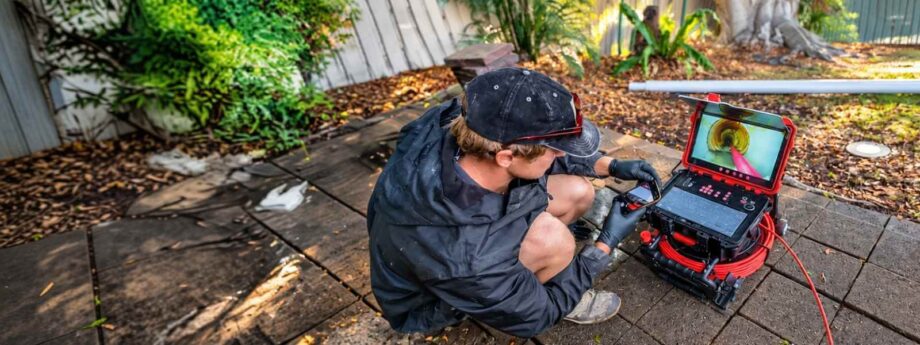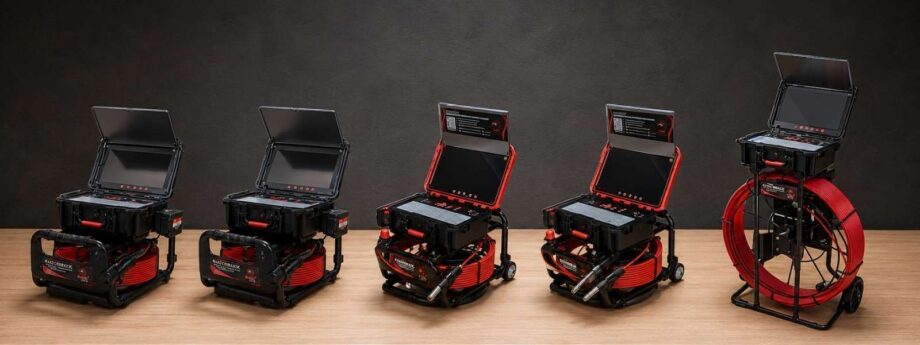
Which Drain Inspection Camera Do You Need? A Straight‑Up Guide for Plumbers
Let’s skip the marketing fluff and get straight to it. If you’re buying a drain inspection camera, you’re not doing it for fun; you want faster diagnostics, fewer dig‑ups, and proof you can show customers on the spot.
But here’s the problem: not all drain cameras are built for the same job. Buy the wrong one, and you’ll fight the gear instead of fixing the drain.
This guide breaks down the main types of drain inspection cameras, what each one is actually good for, and which plumbers should be using them based on real‑world use, not brochure promises.
1. Push Rod Drain Cameras (Best All‑Rounder)
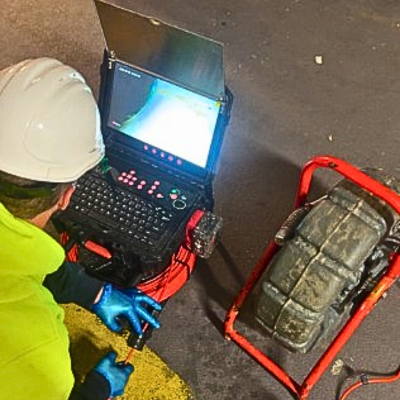
Push rod cameras are the workhorses of drain inspections. If you’re doing residential work, maintenance calls, or blocked drains with bends and junctions, this is usually where you start.
- Easy to feed through tight bends
- Works well in small to mid‑size pipes
- Fast setup, no over‑engineering
- Long commercial runs
- Situations where you need to rotate or scan the full pipe wall
Verdict: If you want one camera that handles most jobs, a push rod camera is the safest investment.
2. Self‑Levelling Drain Cameras (For Clear, Professional Diagnostics)
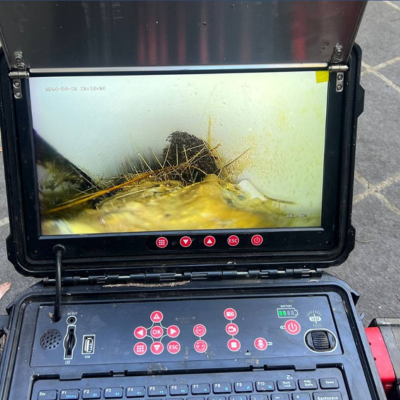
Self‑levelling cameras automatically keep the image upright, no matter how the camera head turns. That might sound minor until you’re explaining cracks, roots, or offsets to a customer.
- Upright footage = easier diagnosis
- Professional‑looking recordings
- Less fatigue during long inspections
- CCTV reporting
- Insurance or strata work
- Jobs where footage is shown to customers
Verdict: If clarity and credibility matter, self‑levelling is worth it.
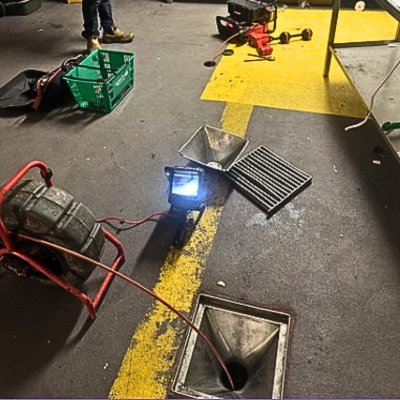
3. Pan‑and‑Tilt Drain Cameras (For Detailed, High‑Value Jobs)
Pan‑and‑tilt cameras allow you to rotate and tilt the lens remotely, giving you a full view of the pipe interior.
- Inspect joints, cracks, and defects closely
- Ideal for larger pipes and commercial systems
- Reduces repeat inspections
- Higher upfront cost
- Overkill for basic domestic blockages
Verdict: If you handle commercial, council, or large‑diameter drains, this is precision gear, not a toy.
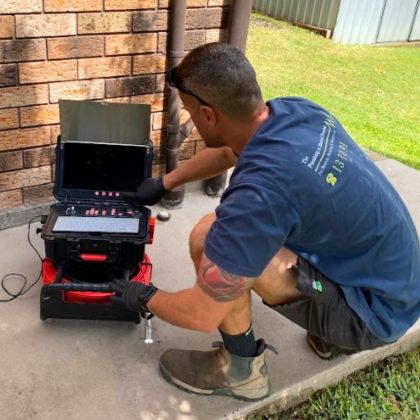
4. Sonde Drain Cameras (For Accurate Pipe Location)
Sonde cameras include a built‑in transmitter so you can locate the camera head from above ground.
- Pinpoint blockages before digging
- Reduce unnecessary excavation
- Save time, money, and customer patience
- Underground pipe tracing
- Pre‑repair assessments
- Jobs where accuracy prevents costly mistakes
Verdict: If you dig or want to avoid digging, sonde capability is a smart upgrade.
Quick Buyer Decision Guide
- Mostly residential work? → Push Rod Camera
- Need clean footage for reports? → Self‑Levelling Camera
- Commercial or large pipes? → Pan‑and‑Tilt Camera
- Locating pipes before excavation? → Sonde Camera
If you’re doing a mix, many plumbers start with a push rod system and upgrade components as their workload grows.
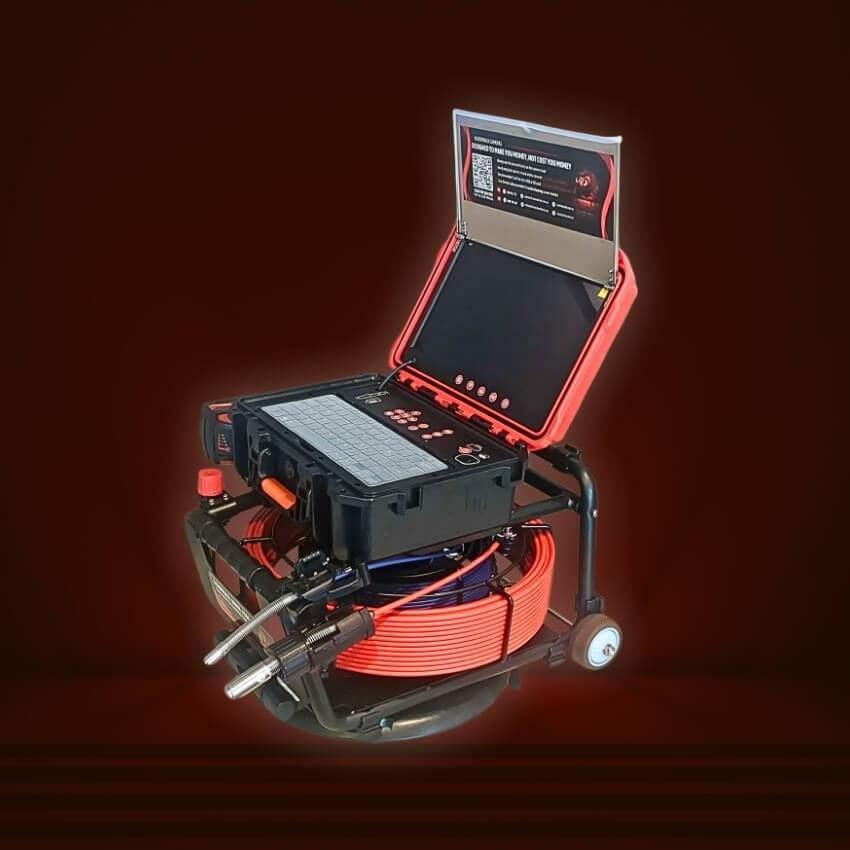
Why Australian Plumbers Choose Razorback Drain Pros
Drain cameras aren’t disposable tools; they’re daily drivers. Ours are built for Australian conditions, real job sites, and plumbers who don’t want gear failure mid‑inspection.
- ☑︎ Designed for Australian plumbing environments
- ☑︎ Built tough for repeated field use
- ☑︎ Suitable for residential and commercial work
- ☑︎ Backed by local knowledge and support
Talk to a Real Person Before You Buy
Not sure which drain inspection camera fits your work? We’ll tell you straight, no upsell, no nonsense.
Call: 1800 961 731 | Email: contact@razorbackdrains.au
Buy the camera that suits your jobs today and still makes sense five years from now.
FAQ: Drain Inspection Cameras (For Plumbers)
What type of drain inspection camera is best for residential plumbing?
For most residential plumbing work, a push rod drain inspection camera is the best choice. It’s flexible, quick to deploy, and handles tight bends commonly found in household pipes.
Are pan-and-tilt drain cameras worth the money?
Pan-and-tilt cameras are worth it for commercial, council, or large-diameter pipe inspections where detailed viewing of joints and defects is critical. For basic domestic work, they’re often more than you need.
What does a self-levelling drain camera do?
A self-levelling drain camera keeps the image upright automatically, making footage easier to understand, record, and show to customers especially useful for reports and compliance jobs.