How Plumbers Use Drain Cameras to Diagnose Pipe Problems
Drain camera inspection has become one of the most important diagnostic tools in modern plumbing. Instead of guessing where a blockage or break might be, plumbers can now see exactly what’s happening inside the pipe, in real time.
Whether it’s a recurring blockage, a suspected collapse, or a pre-purchase plumbing check, drain camera inspections help plumbers pinpoint problems faster, reduce unnecessary digging, and deliver more accurate solutions for their clients.
This guide walks through how plumbers actually use drain cameras in the field, what happens during an inspection, and why this technology is now considered standard practice across Australia.
What Happens During a Drain Camera Inspection?
A drain camera inspection, sometimes called a CCTV drain inspection, involves feeding a specialised waterproof camera head into a pipe to visually assess its internal condition.
Here’s how a typical job flows:
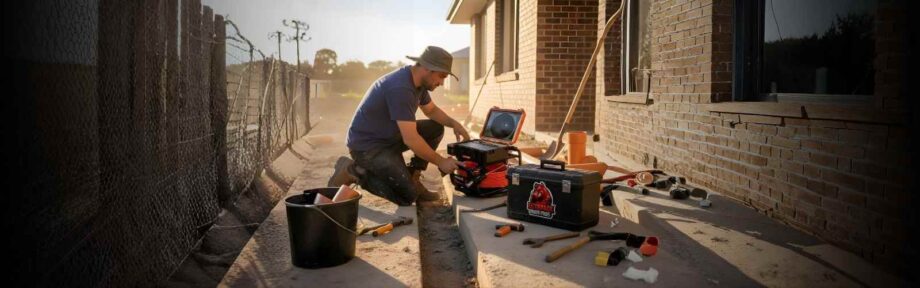
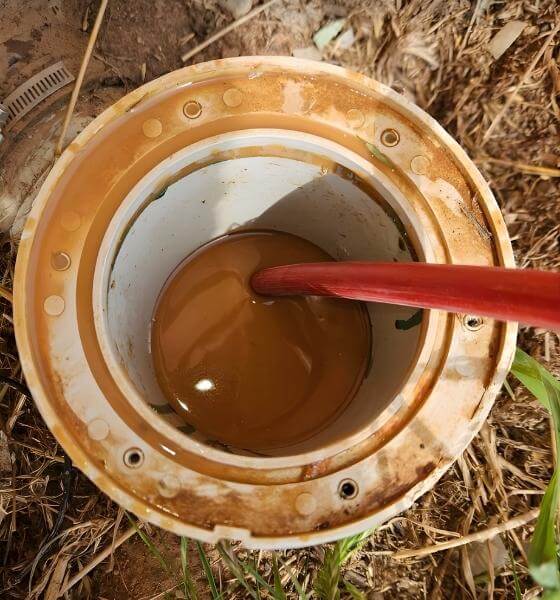
First, the plumber identifies the most suitable access point. This might be a boundary trap, an inspection opening, a gully, or a removed fixture. The camera cable is then carefully fed into the drain line while the live video feed is monitored on a screen.
As the camera moves through the pipe, the plumber watches for:
- Blockages from grease, wipes, or debris
- Tree root intrusion
- Cracked, displaced, or collapsed pipes
- Joint failures
- Scale build-up or corrosion
- Foreign objects lodged in the line
Because the inspection is visual, the plumber can confirm the *exact* cause of the problem instead of relying on assumptions.
Diagnosing Common Pipe Problems with a Drain Camera
Drain cameras aren’t just for finding blockages; they help plumbers diagnose a wide range of underground pipe issues.
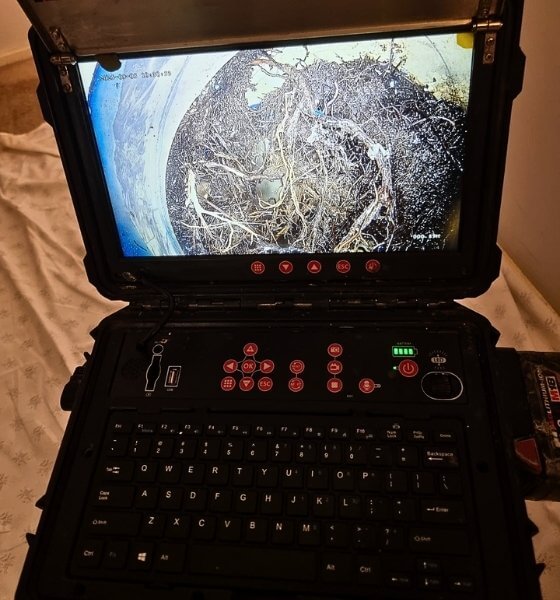
Tree roots are one of the most common causes of recurring drain problems in Australia. A camera inspection reveals not just the presence of roots, but how severe the intrusion is and whether the pipe has been structurally damaged.
In older properties, cracked earthenware or corroded metal pipes are frequently uncovered. A drain camera helps determine if the issue can be repaired locally or if a full pipe replacement is needed.
For persistent slow drains, cameras often reveal partial blockages caused by grease build-up, scale, or debris that would otherwise be impossible to assess from the surface.
This level of visibility allows plumbers to recommend the right solution the first time, whether that’s high-pressure jetting, pipe relining, spot repairs, or replacement.
Why Certain Drain Camera Features Matter in Real Inspections
In the field, drain cameras need to handle more than just clear, straight pipes. Real drainage systems have bends, junctions, offsets, and varying pipe diameters.
A flexible push rod allows the camera to navigate through multiple bends. A self-levelling camera head ensures the image stays upright, making it easier to identify cracks and defects accurately. Built-in LED lighting is essential for visibility in dark, debris-filled environments.
Distance counters are another practical feature during inspections. They help plumbers pinpoint the location of a defect so excavation or repair work can be targeted precisely, rather than digging blindly.
These features aren’t about luxury; they directly affect how accurately and efficiently a plumber can diagnose underground issues.
Different Drain Camera Setups for Different Jobs
Not all inspections are the same, and plumbers often use different types of drain camera setups depending on the job.
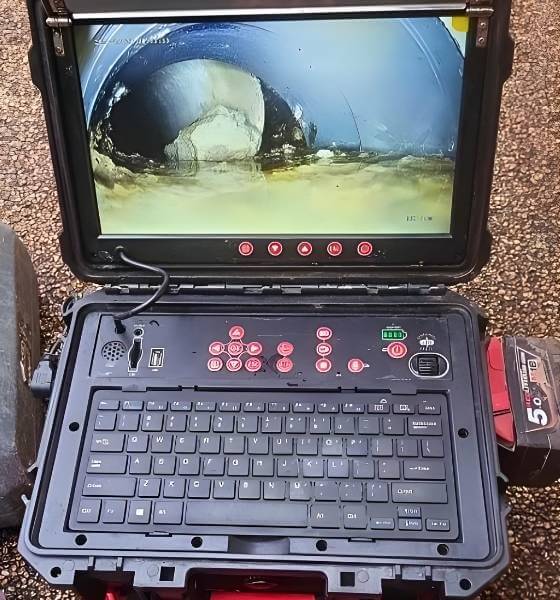
For small internal pipes, such as bathroom or kitchen drains, compact camera systems are ideal. These can navigate tighter bends and smaller diameters where larger systems can’t go.
For main sewer lines and stormwater drains, plumbers typically use more heavy-duty camera systems designed to travel longer distances through larger pipes.
In commercial or industrial settings, inspection requirements may involve longer pipe runs and more complex drainage layouts, making robust, high-visibility systems essential.
The key is matching the inspection approach to the type of pipe and the nature of the problem.
When Plumbers Recommend a CCTV Drain Inspection
Drain camera inspections aren’t just used when there’s a major blockage. Plumbers regularly recommend them in several situations.
Recurring drain blockages are a big one. If a drain keeps backing up, there’s usually an underlying issue that basic clearing won’t solve.
They’re also common before buying a property. A pre-purchase drain inspection can uncover hidden pipe damage that might otherwise lead to expensive repairs later.
After major plumbing work or renovations, inspections help confirm that new pipework is correctly installed and free from defects.
They’re also used when locating lost inspection openings or mapping unknown pipe layouts in older homes.
How Camera Inspections Reduce Unnecessary Excavation
Before drain cameras became standard, diagnosing underground pipe issues often meant digging first and asking questions later.
Now, plumbers can inspect the pipe internally before recommending excavation. This means:
- Less damage to landscaping and driveways
- Faster diagnosis
- More accurate repair planning
- Lower overall costs for property owners
Instead of exploratory digging, repairs can be targeted exactly where the issue is located.
The Role of Drain Cameras in Modern Plumbing
Drain cameras have shifted plumbing from guesswork to precision diagnostics. They support better decision-making, clearer communication with customers, and more efficient repair strategies.
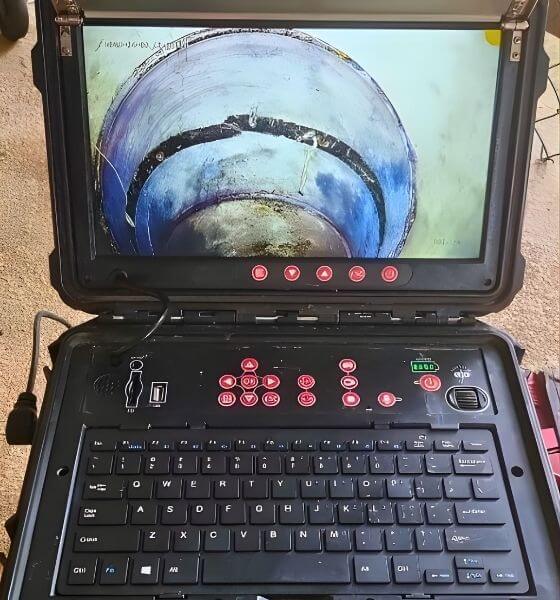
For plumbers, camera inspections provide evidence they can show clients. For property owners, it means understanding the problem before committing to major repairs.
As drainage systems age and urban infrastructure becomes more complex, visual inspection technology is no longer a specialty service; it’s becoming standard practice across the industry.
Final Thoughts
Drain camera inspection is one of the most powerful diagnostic tools available to plumbers today. It allows for accurate problem identification, smarter repair planning, and reduced disruption on-site.
From blocked household drains to damaged sewer lines, seeing inside the pipe changes everything. That’s why CCTV drain inspections are now a core part of how modern plumbing problems are diagnosed and solved.
Ready to Upgrade Your Drain Inspection Gear?
If you’re looking to add a reliable drain camera to the ute, it makes sense to go with gear that’s built for real jobsite conditions, not showroom shelves.
Razorback Drain Pros backs plumbers right across Australia with tough, high-performance drain camera systems, plus local support from people who actually know the trade.
Call: 1800 961 731
Email: contact@razorbackdrains.au
Designed to Make You Money, Not Cost You Money
Get the Right Drain Camera for the Job
-
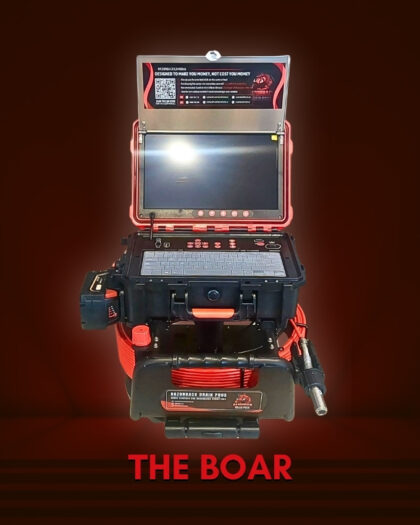
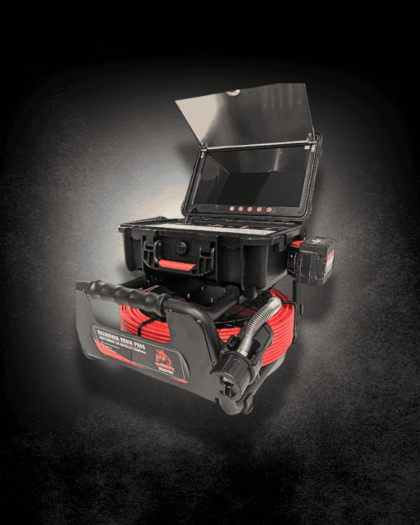
The Boar 21mm Drain Camera | Best for 90mm-150mm Pipes
$5,360.00The price includes GST. -
The Double P Dual Drain Camera for 25–150mm Pipes
$7,049.00The price includes GST. -
The Monster 21mm Drain Camera | Best for 90–150mm Pipes
$5,010.00Original price was: $5,010.00.$4,910.00Current price is: $4,910.00.The price includes GST.