21mm vs 29mm vs 39mm vs 35mm Pan & Tilt Drain Camera Heads
Choosing a drain camera head isn’t simply a matter of going bigger.
A 21mm camera head may be the better everyday option for one plumber, while another may need the extra visibility of a 29mm or 39mm head. And if the job requires looking around pipe walls, junctions and problem areas rather than only straight ahead, a 35mm Pan & Tilt camera can offer an entirely different inspection experience.
So which drain camera head should you choose?
Here’s how the 21mm, 29mm, 39mm and 35mm Pan & Tilt camera heads compare and where each one makes the most sense.
Quick Comparison: 21mm vs 29mm vs 39mm vs 35mm Pan & Tilt
| Camera Head | Best Suited For | Main Advantage |
|---|---|---|
| 21mm | Everyday drain inspections and tighter access | Compact and versatile |
| 29mm | Larger drain and sewer inspections | Larger view with strong lighting options |
| 39mm | Larger pipework and heavier-duty inspections | Greater stability and visibility in larger lines |
| 35mm Pan & Tilt | Detailed inspections requiring greater camera control | Look around pipe walls, junctions and problem areas |
The important thing to remember is that these camera heads don’t form a simple progression from basic to premium.
The 35mm Pan & Tilt, in particular, is different. Its advantage isn’t simply its diameter — it’s the ability to change the camera’s viewing direction inside the pipe.

21mm Drain Camera Head: The Everyday All-Rounder
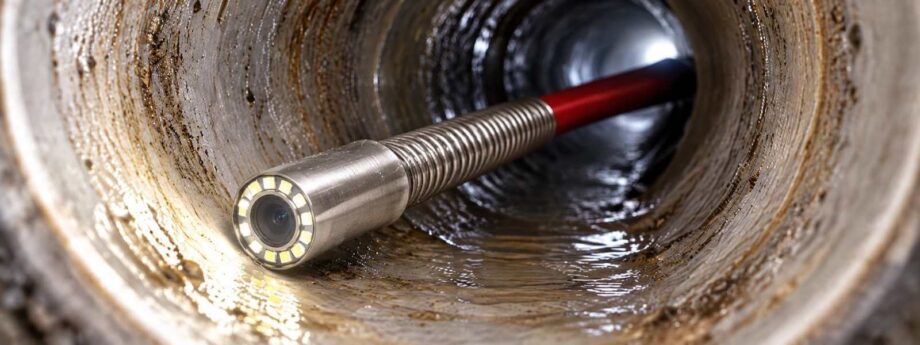
For plumbers carrying out regular residential drain inspections, a 21mm camera head can be a practical balance between camera size, manoeuvrability and image quality.
Its smaller diameter gives it more clearance than the larger 29mm and 39mm options, making it useful when you’re working through standard drainage systems where manoeuvrability matters.
Razorback’s current 21mm camera head options are designed for professional pipe inspection work and are available with features such as self-levelling and 512Hz locating capability depending on the configuration.
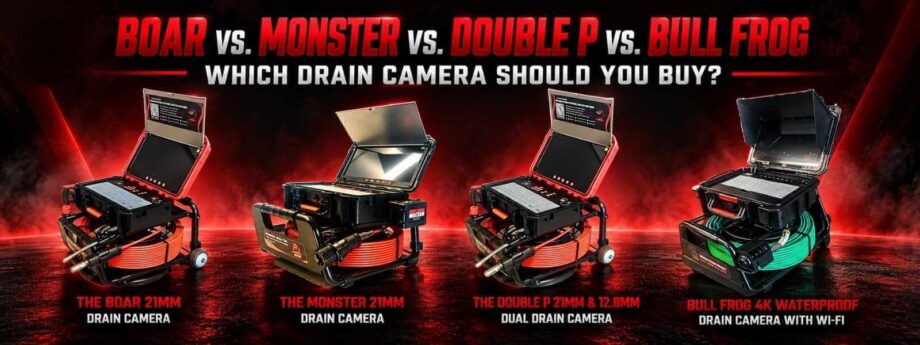
Razorback’s Monster and Boar systems also use 21mm camera heads and are positioned primarily for everyday maintenance and standard drain inspection work.
When should you choose a 21mm camera head?
A 21mm head may make sense if:
- Most of your work involves everyday residential drainage
- You want a good balance between visibility and manoeuvrability
- You regularly work through bends and standard drain configurations
- You don’t need the larger head used for bigger lines
- You want a practical camera for regular plumbing maintenance work
For many maintenance plumbers, this is likely to be the most versatile starting point.
29mm Drain Camera Head: More Camera for Larger Lines
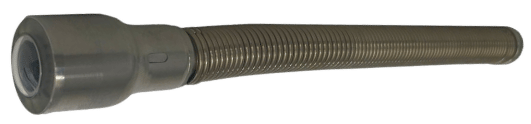
The 29mm camera head steps things up for plumbers working with larger drainage systems.
Razorback’s current 29mm options include wide-angle viewing, with configurations available for additional features such as self-levelling and 512Hz locating.
There are also customised lighting configurations designed to improve visibility further down the pipe.
Compared with a 21mm head, the larger 29mm camera is better suited when you have more room inside the line and want stronger visibility across larger drainage applications.
Razorback’s Beast drain camera uses a 29mm camera head and is designed for approximately 100–300mm pipe applications.
When should you choose a 29mm camera head?
Consider the 29mm if:
- You regularly inspect larger drains
- Wider visibility is more important than having the smallest possible head
- You want an option for sewer and larger drainage applications
- Your work goes beyond standard residential maintenance
- You need better illumination for larger pipe interiors
It can be a useful middle ground between a compact everyday camera and a larger mainline-style inspection setup.
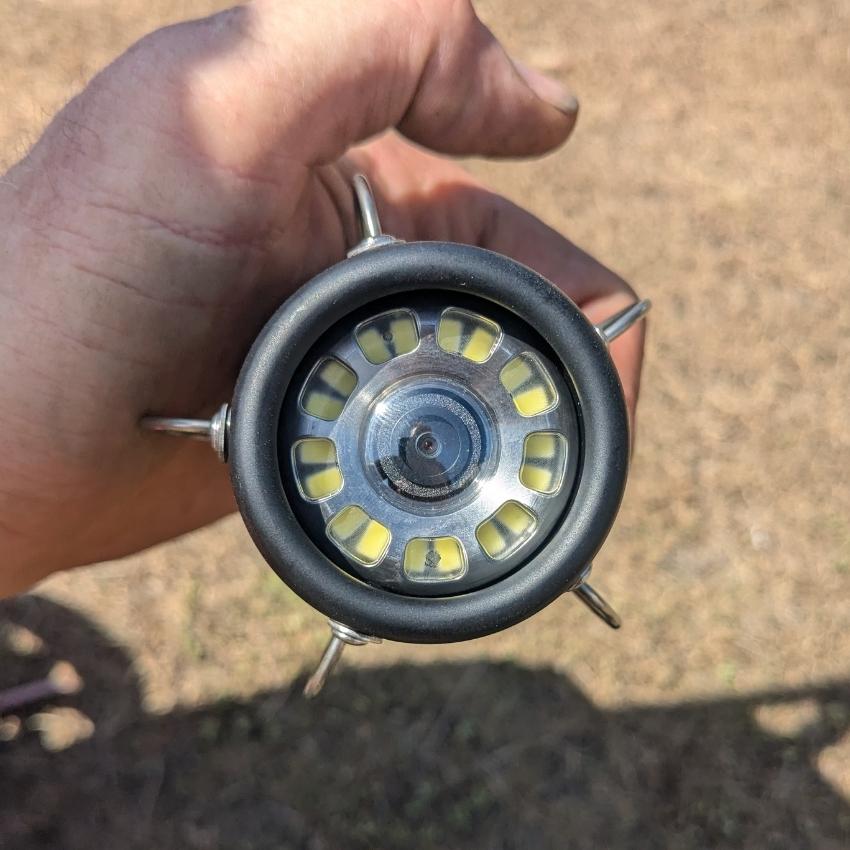
39mm Drain Camera Head: Built for Bigger Pipework
When you’re inspecting larger drains, the camera needs enough size, lighting and stability to give you a useful view of what’s happening inside the line.
That’s where a 39mm camera head comes into the picture.
Razorback’s Big Unit uses a 39mm camera head and is designed around larger pipe applications. The current system is listed for approximately 100–300mm pipes and is paired with a longer inspection cable for jobs requiring greater reach.
Razorback’s technical documentation also lists standard and customised 39mm head configurations. The standard version uses a wide viewing angle, while the customised configuration adds separate low- and high-beam lighting to improve visibility further along the line.
When should you choose a 39mm camera head?
The 39mm makes more sense when:
- Larger drains make up a significant part of your workload
- You need greater stability inside larger-diameter pipework
- Long inspection runs are common
- You’re working on bigger drainage or sewer applications
- A smaller everyday maintenance camera doesn’t give you the coverage you need
It’s important to check compatibility before purchasing replacement components. Razorback’s Big Unit 39mm system has different compatibility requirements from much of the rest of the Razorback camera range.
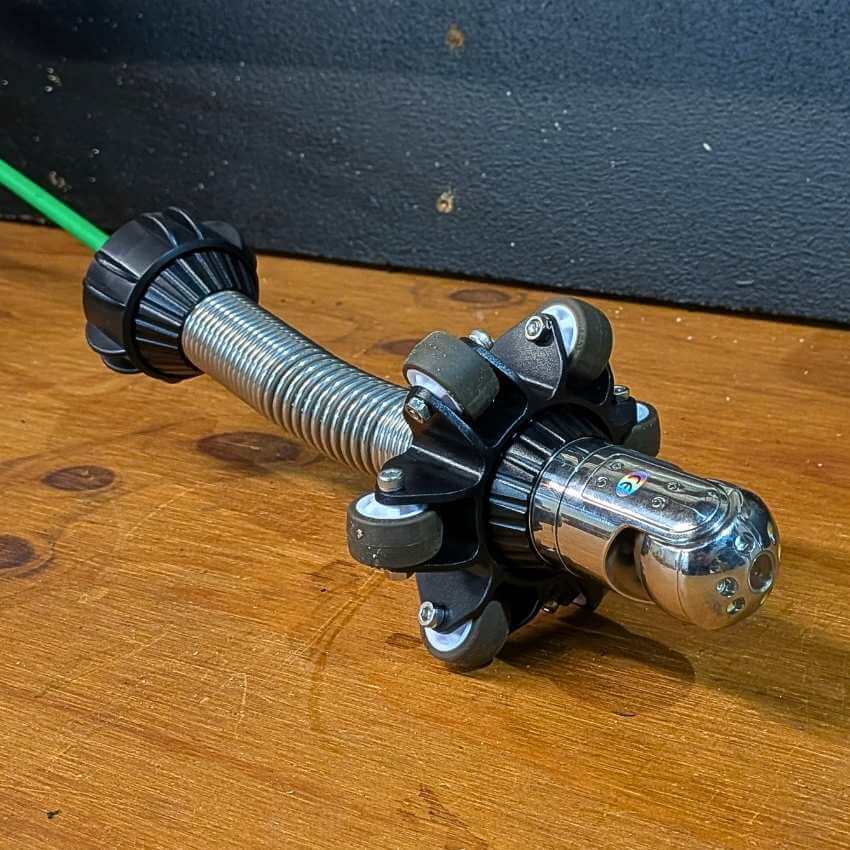
35mm Pan & Tilt Camera Head: When You Need to Look Around
The 35mm Pan & Tilt Camera Head for the Bull Frog 4K solves a different inspection problem.
Traditional drain camera heads primarily give you a forward-facing view as you push the camera through the line.
Pan and tilt control gives you greater freedom to change the viewing direction.
Instead of relying only on what happens to be directly in front of the lens, you can inspect around:
- Pipe walls
- Junctions
- Connections
- Damaged sections
- Suspicious areas
- Other points where a straight-ahead view may not show enough detail
That can be particularly useful when you’re trying to understand exactly what you’re looking at instead of simply confirming that a blockage or defect exists.
When should you choose the 35mm Pan & Tilt?
Consider it if:
- Detailed CCTV inspection is an important part of your service
- You regularly need to inspect junctions or pipe walls
- You want greater control over what the customer can see in an inspection
- You already use a compatible Bull Frog 4K system
- Inspection detail matters more than simply using the smallest camera possible
The key advantage here is camera control, not just camera-head diameter.
Is a Bigger Drain Camera Head Better?
Not necessarily.
This is one of the biggest mistakes you can make when choosing drain inspection equipment.
A bigger head may provide advantages in a larger pipe, but that doesn’t mean it’s the best camera for every job.
Imagine trying to use a large 39mm camera for work where access, bends and clearance are the biggest challenges. The additional size may work against you.
Likewise, using a small camera in a much larger line may not provide the visibility or stability you want.
The best camera is the one that suits the pipes you actually inspect.
21mm vs 29mm: Which Should You Buy?
For plumbers doing primarily residential maintenance and standard drainage inspections, the 21mm is likely to be the more versatile choice.
Move toward the 29mm if larger pipework makes up a significant portion of your jobs and you want the extra visibility and lighting capability that comes with the larger camera.
There’s also an equipment advantage worth considering: Razorback’s technical documentation indicates that compatible 21mm and 29mm camera heads can use the same spring part and be swapped in the field.
For plumbers handling a mix of work, that can provide useful flexibility without requiring an entirely different inspection platform for every job.
29mm vs 39mm: What's the Difference?
Both can be suited to larger drainage work, but the 39mm moves further toward the larger-pipe end of the spectrum.
Think about the jobs you regularly complete.
If you need a camera that can still cover a broad range of drainage work without going to the largest straight-ahead head, the 29mm can make sense.
If you’re regularly dealing with larger pipes, longer inspections and applications where a larger camera is appropriate, the 39mm becomes more relevant.
Don’t choose based on camera diameter alone. Cable length, push-rod diameter, locating capability, lighting and compatibility all matter too.
35mm Pan & Tilt vs Standard Drain Camera Head
This comparison comes down to how much control you need during the inspection.
A standard camera head works well when pushing through the line and recording what’s ahead.
A Pan & Tilt head becomes valuable when you need to stop and take a closer look.
For example, you may see something suspicious on one side of the pipe. Instead of relying entirely on camera position and push-rod movement, Pan & Tilt control allows you to adjust the viewing direction and investigate the area more closely.
For detailed inspection work, that can make the footage far more useful.
Which Drain Camera Head Is Right for Your Plumbing Business?
There’s no single winner.
Choose according to the work that actually makes you money.
Choose the 21mm if you want a versatile everyday camera for general plumbing and drainage inspections.
Choose the 29mm if you regularly move into larger drainage applications and want increased visibility and lighting capability.
Choose the 39mm if larger lines and heavy-duty inspection work are a regular part of your jobs.
Choose the 35mm Pan & Tilt if detailed inspection and the ability to actively look around inside the line are priorities.
And if your work varies considerably from job to job, it may make more sense to build a camera setup with multiple compatible heads rather than expecting one camera to handle everything.
Think About the Whole Inspection System
Camera-head diameter is only one part of choosing a drain camera.
Before buying, also consider:
- Pipe sizes you normally inspect
- Push-rod length and diameter
- Flexibility through bends
- Camera lighting
- Self-levelling
- Sonde locating
- Recording quality
- Replacement parts
- Compatibility with your current equipment
- Local repair and support
Professional drain cameras get pushed, knocked, dragged and covered in whatever happens to be inside the line.
Being able to replace or repair individual components can be just as important as the specifications on the day you buy the system.
Need Help Choosing the Right Drain Camera Head?
Still tossing up between a 21mm, 29mm, 39mm or 35mm Pan & Tilt camera head?
Tell the Razorback Drain Pros team what sort of pipes you’re inspecting, the jobs you normally handle and the camera system you’re currently running.
We’ll help point you towards the setup that makes sense for the work you actually do — without loading you up with gear you don’t need.
Explore Razorback drain camera heads or give us a call on 1800 961 731 to talk through your setup.
Designed to Make You Money, Not Cost You Money.