Drain inspection is part of daily work for many plumbers. It looks simple. But it can be risky if you skip safety.
Pipes can hold dirty water, sharp waste, and harmful gas. Work areas can be wet and slippery. One small mistake can cause injury.
This guide gives you a clear and practical safety checklist. It is easy to follow on every job.
What Is a Drain Inspection Safety Checklist
A drain inspection safety checklist is a step by step guide. It helps you prepare, work safely, and finish the job without risk.
It covers:
- Personal safety
- Tool safety
- Work area safety
Good plumbers follow a checklist every time. It becomes a habit.
Why Every Plumber Needs a Safety Checklist
Many accidents happen because of small mistakes.
Common problems include:
- Slipping on wet ground
- Touching contaminated water
- Breathing bad air from drains
- Using damaged tools
A checklist helps you avoid these problems. It keeps your work safe and professional.
Pre Inspection Safety Checklist
Always prepare before you start.
Wear the Right Safety Gear
Never start without basic protection.
Use:
- Strong gloves
- Safety boots with grip
- Eye protection
- Face mask if needed
This keeps you safe from dirt, bacteria, and sharp waste.
Check Your Drain Camera and Tools
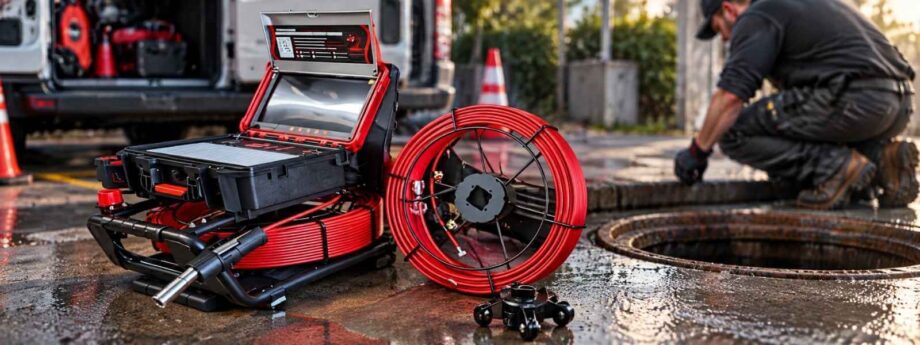
Your plumber drain camera kit must be in good condition.
Check:
- Camera lens is clean
- Cable has no cuts
- Screen is working
- Battery is fully charged
A faulty tool can give wrong results and cause damage.
Use a Reliable Drain Camera
A good drain camera is not just a tool. It is a safety device.
It lets you see inside the pipe before you act.
This helps you:
- Avoid blind digging
- Stay away from dangerous spots
- Work with confidence
Razorback Drains AU offers durable drain cameras made for real plumbing work. Their systems give clear images and strong cable control, which helps you inspect safely and quickly.
Check the Job Site First
Look around before you start.
Notice:
- Wet floors
- Loose ground
- Open pits
- Nearby electrical points
Fix small risks before they become big problems.
Check Air Flow and Smell
Some drains release harmful gases.
If you smell something strong, do not ignore it.
Make sure:
- The area is open
- There is fresh air
- You do not stay too close to the opening
If needed, step back and allow air to clear.
Safety Checklist During Inspection
Stay alert while working.
Move the Camera Slowly
Do not push the camera fast.
Slow movement helps you:
- Avoid cable damage
- Get clear visuals
- Prevent sudden breaks
Take your time.
Keep Your Hands Safe
Never put your hands inside the drain.
Always use tools.
Even clean looking water can carry harmful bacteria.
Watch Your Footing
Drain jobs often involve water on the ground.
Stand carefully.
Use boots with good grip.
Avoid rushing while walking near open drains.
Stay Focused on the Screen
The camera screen shows what is inside.
Watch it closely.
You can spot:
- Blockages
- Cracks
- Roots
- Pipe collapse
This helps you decide the next step without risk.
Post Inspection Safety Checklist
Safety continues even after the job.
Clean Your Equipment Properly
Always clean tools after use.
Wash:
This removes dirt and bacteria.
Disinfect When Needed
Some jobs involve heavy contamination.
Use disinfectant on tools and hands.
This protects your health.
Check for Tool Damage
Look at your equipment again.
Check:
- Cable wear
- Loose parts
- Screen issues
Fix problems early. Do not wait for the next job.
Store Tools Safely
Keep your tools in a dry place.
Avoid:
- Moisture
- Dust
- Direct sunlight
Proper storage increases tool life.
Simple Safety Tips Most Plumbers Forget
Even experienced plumbers miss small things.
Remember these tips:
- Never rush an inspection
- Do not skip safety gear for small jobs
- Always carry spare gloves
- Keep your camera lens clean
- Charge your equipment before leaving
Small habits make a big difference.
Common Questions About Drain Inspection Safety
What is the biggest risk in drain inspection
The biggest risk is contact with contaminated water and harmful gas. Both can affect your health.
Can a drain camera make work safer
Yes. A drain camera reduces guesswork. You can see the problem without touching it.
How often should I clean my drain camera
Clean it after every job. This keeps it safe and ready for the next use.
Do small jobs also need safety steps
Yes. Even small jobs can be risky. Always follow the checklist.
Final Thoughts
Drain inspection is not just about finding problems. It is also about working safely.
A simple safety checklist helps you:
- Avoid injury
- Work faster
- Protect your health
- Deliver better service
Using a strong and reliable drain camera also adds an extra layer of safety.
Make safety part of your routine. Every job. Every time.