Increasing Plumbing Business Profitability: A Practical Guide for Aussie Tradies
Being flat out doesn’t always mean the business is making good money.
You can have the phone ringing, the ute booked all week and plenty of invoices going out, but still wonder where all the profit disappeared at the end of the month.
For plumbing businesses, profitability isn’t only about charging more. It’s about understanding which jobs actually make money, reducing wasted time, pricing specialised work properly and making sure the gear you’re relying on isn’t slowing you down.
If you’re looking at increasing plumbing business profitability, here are a few practical areas worth reviewing.
Key Takeaways
- Don’t judge the health of your plumbing business on turnover alone. Keep an eye on your actual margins.
- Track travel, quoting, diagnostics, reporting, callbacks and other time that may not be getting properly recovered.
- Price specialist services based on the value, skill and equipment required to deliver them.
- Use CCTV inspection and locating equipment where they genuinely improve diagnosis and help customers understand the problem.
- Choose equipment based on reliability, suitability, spare-parts availability and support — not price alone.
- Look after your equipment. Preventing unnecessary downtime is generally cheaper than dealing with a failure halfway through a job.
Understanding Plumbing Business Profitability
There’s a big difference between bringing money into the business and keeping it.
Turnover tells you how much revenue you’re generating.
Profit tells you what’s left after the costs of running the business have been taken out.
That’s why a plumber doing $1 million in annual sales isn’t automatically running a healthier business than someone doing half that amount.
If the first business has high wages, vehicle expenses, callbacks, inefficient scheduling, equipment costs and poor pricing, there might not be much left at the end.
Gross Profit vs Net Profit
These are two numbers every plumbing business owner should understand.
Gross profit is broadly what’s left after the direct costs associated with providing your services have been deducted from revenue.
Net profit is what’s left after the wider costs of operating the business are also taken into account.
That can include things such as:
- Vehicle Expenses
- Insurance
- Licensing
- Software
- Office and Administration Costs
- Accounting
- Marketing
- Equipment Maintenance
- Rent or Storage
- Finance Costs
- Other Business Overheads
Exactly how different expenses are classified will depend on your accounting setup, so it’s worth working through the numbers with your accountant or bookkeeper.
The important part is knowing what you’re actually making.
What Is a Good Profit Margin for a Plumbing Business?
There isn’t one magic percentage that applies to every Australian plumbing business.
Margins vary depending on business size, staffing, location, job mix, overheads and whether you’re focused on construction, maintenance, drainage or specialist services.
Industry benchmark information can give you something to compare against, but it shouldn’t replace looking closely at your own numbers.
Rather than deciding your business “should” make a particular percentage, look at whether your margin is enough to:
- Pay You Properly
- Cover your Overheads
- Replace Vehicles and Equipment
- Handle Quieter Periods
- Invest Back Into the Business
- Maintain A Sensible Cash Buffer
If you’re busy every week but struggling to achieve those things, there may be room to improve your pricing or operations.

Where Plumbing Businesses Can Lose Margin
Uncharged or Under-Recovered Time
Think about everything that happens around the actual repair.
There’s travel.
Diagnosis.
Setting up equipment.
Packing down.
Writing reports.
Speaking with the customer.
Collecting parts.
Coming back to the property because something wasn’t identified properly on the first visit.
All of that time costs the business money.
You don’t necessarily need a separate line item for every five minutes you spend on a job, but your pricing should recover the actual cost of delivering the service.
If a specialised diagnostic job takes two hours once everything is included, don’t price it as though you’ve only spent 45 minutes there.
Callbacks
Callbacks can hurt your margin quickly.
You’re sending a plumber and a vehicle back to a job that’s already been invoiced, often without generating any additional revenue.
Not every callback is preventable.
But good diagnosis, good communication and proper documentation can reduce avoidable ones.
That’s one reason CCTV inspection can be valuable for drainage work.
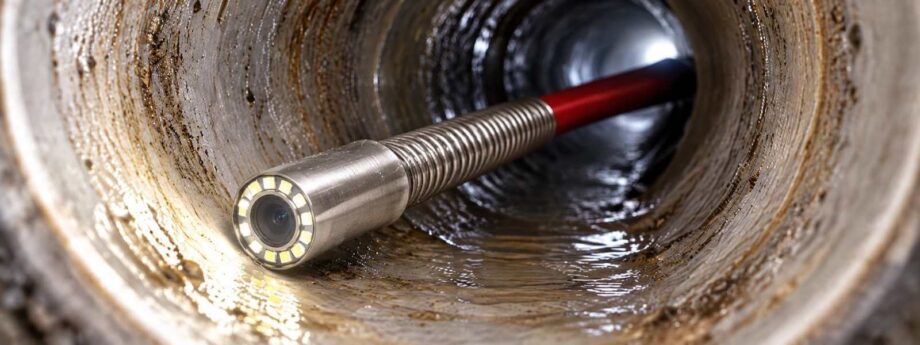
Rather than clearing a blockage and assuming everything is fine, putting a camera through the line can help identify whether there’s an underlying issue such as:
- Tree-Root Intrusion
- Cracked Pipework
- Displaced Joints
- Obstructions
- Collapsed Sections
- Other Visible Defects
The customer gets a clearer picture of what’s happening, and you’ve got more information to work with.
Equipment Downtime
If a tool you rely on every day goes down, the cost isn’t limited to repairing it.
There can also be:
- Jobs That Need Rescheduling
- Lost Billable Hours
- Staff Downtime
- Equipment Hire
- Extra Travel
- Delays While You’re Waiting On Parts
That doesn’t mean buying the most expensive gear automatically makes you more profitable.
It means reliability, repairability and support should be considered alongside the purchase price.

Turn Specialist Equipment Into a Useful Service
A drain camera shouldn’t be sitting in the ute simply because it’s another piece of gear you’ve collected.
It should solve a problem.
For drainage plumbers, CCTV inspection can add another level of diagnosis to the work you’re already doing.
Instead of only clearing the line, you can inspect it afterwards and show the customer what you’ve found.
That can help when you’re recommending further work because the discussion is based on visible evidence rather than guesswork.
Charge Properly for Specialist Diagnostics
If you’re using a professional camera, locator and reporting equipment, that’s a different service from simply turning up with hand tools.
Your pricing needs to account for:
- The Equipment Investment
- Maintenance and Replacement
- Inspection Time
- Locating Time
- Reporting
- Technician Skill
- Administration
- Travel
- Your Required Margin
That doesn’t mean every CCTV job needs to be expensive.
It means it shouldn’t automatically be thrown in for free if it’s taking real time and using specialist equipment
Choose Equipment Around the Work You Actually Do
There’s no point buying a massive mainline system if most of your work is standard residential maintenance.
Likewise, a small camera won’t suit every larger commercial drain.
Look at your actual workload and choose your gear around that.
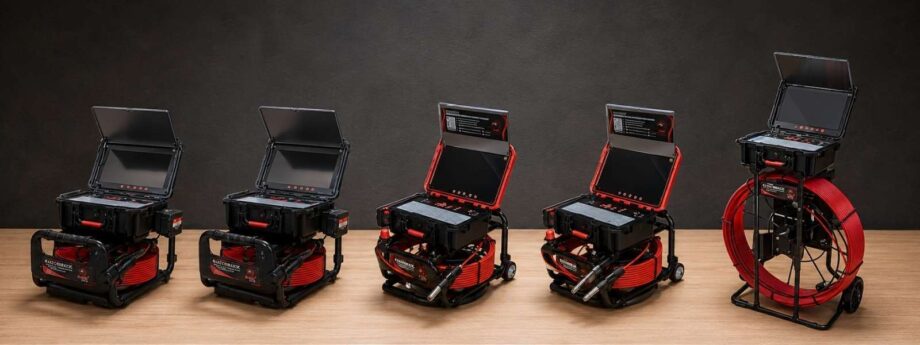
Razorback currently offers several systems for different types of drainage work.
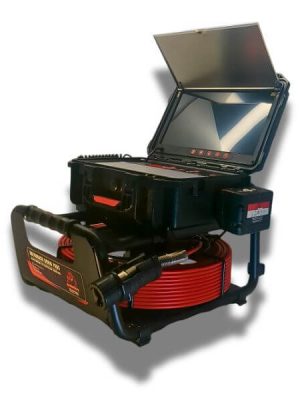
The Monster 21mm Drain Camera
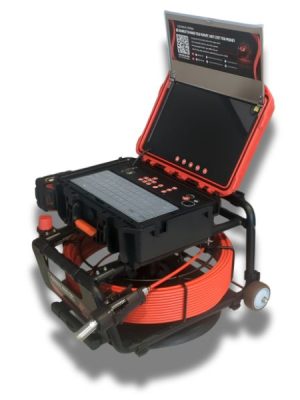
The Boar 21mm Drain Camera
The Beast 29mm Drain Camera
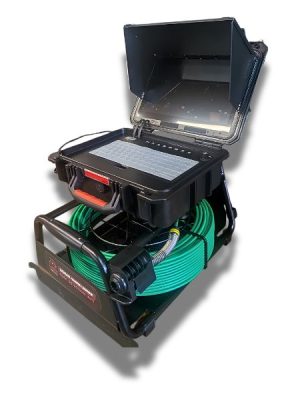
Bull Frog 4K Waterproof Drain Camera
The Bull Frog 4K Waterproof Drain Camera with Wi-Fi – 45m is aimed at plumbers who want higher-resolution footage and a more modern inspection setup.
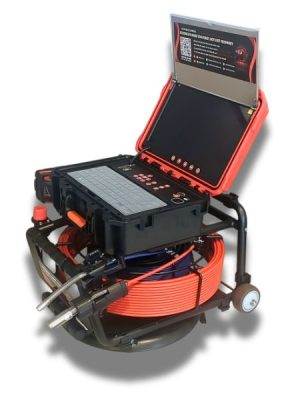
The Double P Dual Drain Camera
- 12.8mm Camera
- 21mm Camera
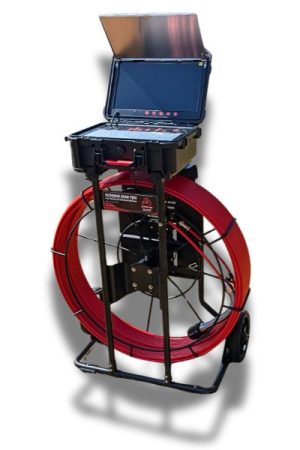
The Big Unit 39mm Drain Camera
Five Ways to Improve Plumbing Business Profitability
1. Review Your Job Mix
Go through a few weeks or months of completed jobs.
Don’t just look at revenue.
Look at:
- Labour Hours
- Materials
- Travel
- Equipment Required
- Callbacks
- Reporting
- Gross Profit
- Actual Margin
You may find that some of your biggest invoices aren’t necessarily your most profitable jobs.
Likewise, a smaller specialist job that’s completed efficiently may produce a better return on your time.
Understanding that difference helps you decide where you want the business to focus.
2. Review Your Pricing
Prices you set two or three years ago may no longer cover the real cost of running your business.
Vehicles cost more.
Insurance changes.
Wages increase.
Equipment needs replacing.
Software subscriptions creep up.
Review your prices regularly rather than waiting until margins become uncomfortable.
For specialist services such as CCTV inspection or locating, consider whether a fixed service price makes more sense than simply charging an hourly rate.
3. Reduce Wasted Time Between Jobs
You don’t earn much while the ute’s stuck in traffic or someone is driving across town because the day’s bookings weren’t planned well.
Better scheduling can sometimes improve profitability without changing your prices at all.
Where practical, group jobs geographically and make sure the technician has the parts and equipment required before leaving for the job.
Ten or fifteen minutes saved here and there adds up across a full team and a full year.
4. Give Your Team the Information They Need
Good equipment only helps if the person using it knows what they’re doing.
Train technicians to use cameras, locators and other diagnostic equipment properly.
More importantly, train them to explain what they’ve found in plain English.
The goal shouldn’t be to pressure the customer into buying more work.
- The goal is to help them understand:
- What’s wrong
- Where the problem is
- What could happen if it’s left alone
- What their repair options are
Clear advice builds trust.
Trust tends to be better for business than a hard sell.
5. Maintain the Gear That Makes You Money
A few minutes of maintenance is easier to swallow than cancelling tomorrow morning’s drainage job.
After using a drain camera:
- Clean the push rod according to the manufacturer’s recommendations
- Check the camera head and lens
- Inspect the spring and connections
- Look for obvious cable damage
- Store the unit properly
- Deal with small problems before they become big ones
Follow the manufacturer’s maintenance instructions rather than using lubricants or chemicals that haven’t been recommended for the equipment.
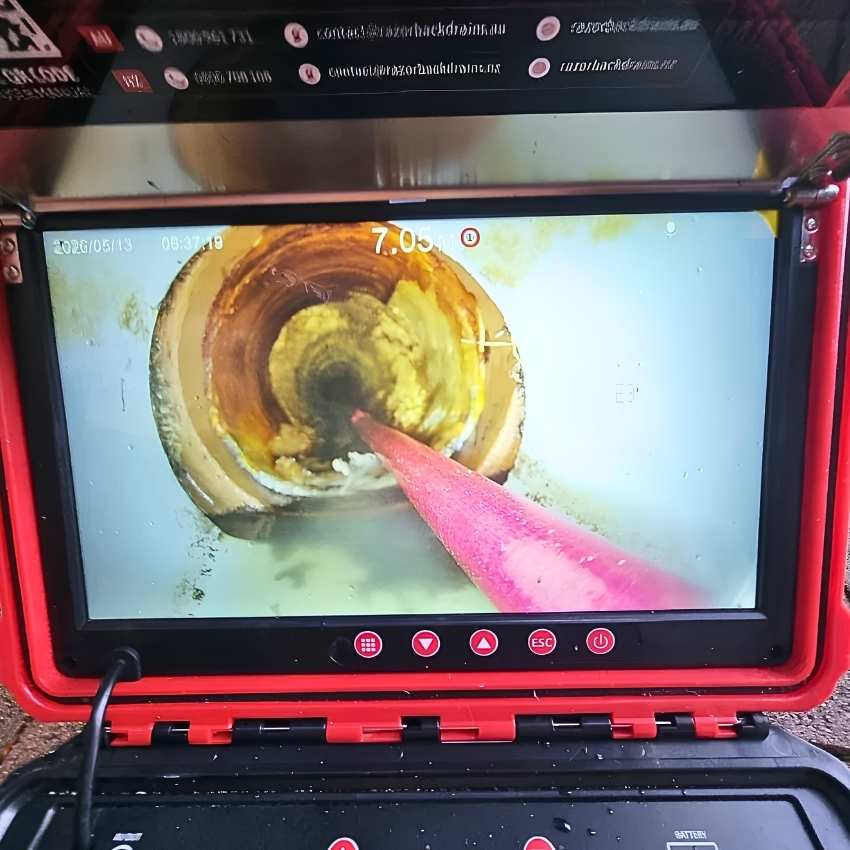
Standardise Your CCTV Reporting
Good reporting can make your inspection service feel far more professional without adding much complexity.
Your report might include:
- Property details
- Inspection date
- Drain or pipe inspected
- Relevant screenshots
- Description of visible issues
- Approximate defect location
- Depth where locating has been carried out
- Recommended next steps
- Relevant footage
That gives the customer something useful after you’ve left the site.
It can also protect both sides by creating a clear record of what was identified during the inspection.
Don't Treat Every Plumbing Job the Same
There’s nothing wrong with general maintenance work.
Tap repairs, leaking toilets, hot-water problems and everyday plumbing keep plenty of successful businesses moving.
But different services have different economics.
Drainage and diagnostic work often involves specialist knowledge and equipment, which means it should be assessed and priced accordingly.
Instead of deciding that one type of plumbing work is always “more profitable,” compare your own numbers.
You may find opportunities in:
- Blocked-Drain Work
- CCTV Inspections
- Pipe Locating
- Jetting
- Pre-Purchase Drain Inspections
- Commercial Drainage Inspections
- Preventative Maintenance
- Relining or Repair Work
The right mix depends on your business.
Think About the Cost of Cheap Equipment
There’s a place for keeping costs under control.
But buying purely on price can become expensive if a tool fails regularly or replacement parts are hard to get.
Before buying a professional drain camera, ask:
- Are spare parts available in Australia?
- Can individual components be replaced?
- How long do repairs normally take?
- Is technical support available locally?
- Can camera heads or push rods be replaced separately?
- What does the warranty actually cover?
- Is the unit suitable for the jobs I do?
Those questions matter just as much as the purchase price.
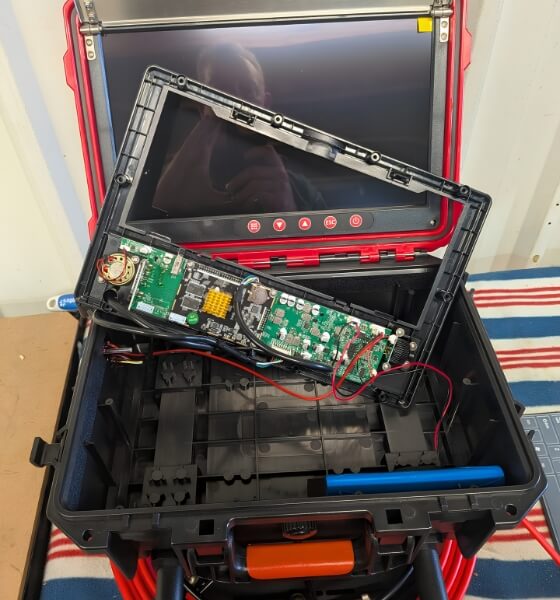
Why Razorback Focuses on Repairability and Local Support
Razorback Drain Pros supplies imported drain-camera systems configured with Australian plumbers and local working conditions in mind.
The current Razorback range is manufactured overseas, with local ownership, partial Australian assembly, locally stocked parts and Australian after-sales support.
One of the biggest advantages of the range is its interchangeable components.
Rather than replacing an entire system when one part needs attention, many components can be repaired, replaced or upgraded individually.
For a business relying on the camera to earn money, that can help reduce unnecessary downtime.
Choosing a Razorback Camera Pack
If you’re building out your drainage setup, Razorback’s camera packs bundle equipment for different levels of work.
Starter Drain Camera Pack
Starter Pack a practical option for maintenance plumbers adding professional CCTV diagnosis and locating to their existing services.
Trade Drain Camera Pack
Trade Pack designed for plumbers who need greater flexibility across regular drainage work and want a broader set of equipment on the ute.
Pro Drain Camera Pack
Pro Pack built around a more comprehensive camera setup for businesses taking on a wider range of inspection work.
Don’t choose a pack simply because it’s the biggest.
Choose the setup that earns its place in the ute.
When Should You Upgrade Your Equipment?
Let the workload answer that question.
If you’re regularly turning down inspections because your current system isn’t suitable, that’s a good reason to look at another camera.
If your current camera handles 95% of the work you’re getting without a drama, upgrading just for the sake of it probably won’t improve your margins.
Equipment should follow the business opportunity, not the other way around.
Make Every Job Count
Increasing plumbing business profitability doesn’t necessarily mean squeezing another job into an already packed day.
Sometimes the biggest improvements come from tightening what you’re already doing.
Understand your numbers.
Price your services properly.
Cut down wasted time.
Reduce avoidable callbacks.
Look after the equipment that earns you money.
And invest in specialist gear when there’s enough demand to justify it.
If drainage and CCTV inspection are becoming a bigger part of your business, Razorback offers a range of professional drain cameras, locators, camera packs, spare parts and local repair support designed around the day-to-day needs of Aussie plumbers.
Designed to make you money, not cost you money.
Frequently Asked Questions
What is a good profit margin for a plumbing business in Australia?
Is a drain camera worth buying for a small plumbing business?
Should I charge separately for CCTV drain inspection?
Can using a drain camera reduce callbacks?
A drain camera can help reduce some avoidable callbacks by giving plumbers more information about what’s happening inside the line after a blockage has been cleared. It isn’t a guarantee against future problems, but better diagnosis can help identify visible underlying issues that might otherwise have been missed.